Over the past several weeks, I’ve watched the WNBA players do the same thing. In 2024, the New York Liberty and the Minnesota Lynx faced off in one of the closest Finals in WNBA history. Two games went to overtime, a single possession decided two others, and a decisive Game 5 went to overtime for the first time in Finals history. Liberty won. Their first championship ever. After decades of showing up.
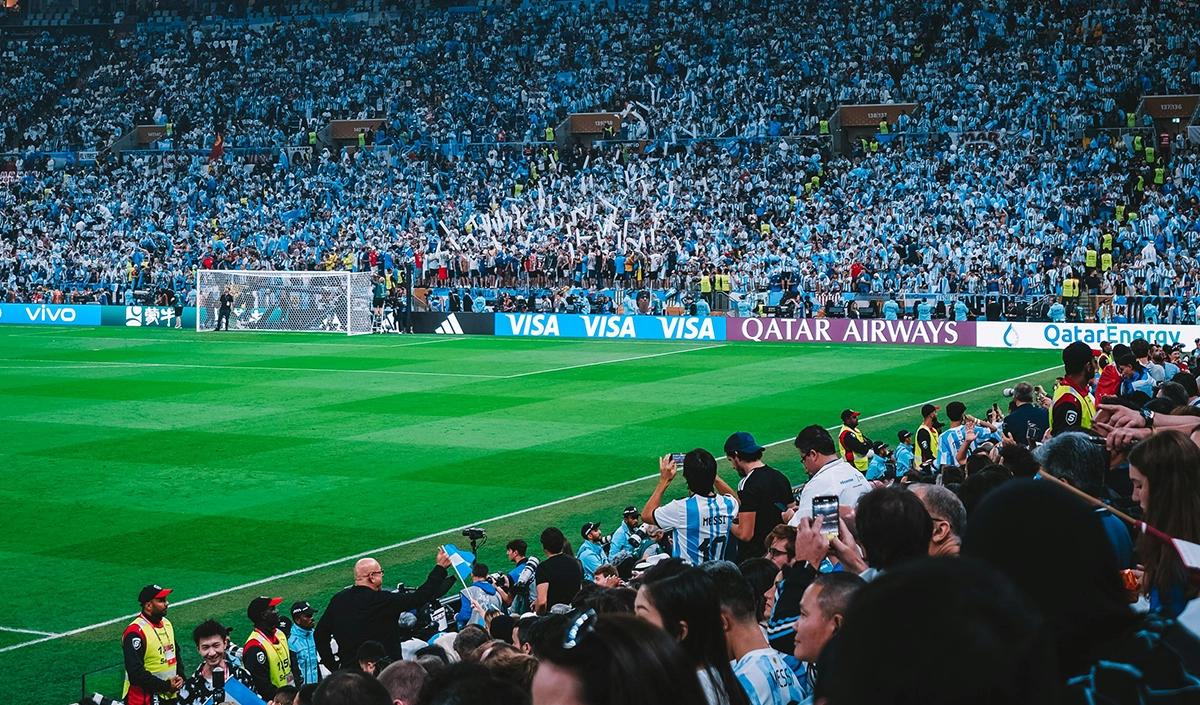
That season saw a 48% jump in attendance across the league, with a record 22 regular-season games drawing over a million viewers. Women’s basketball didn’t suddenly become worthy of that attention. It always was. The audience finally caught up.
And still, the players had to fight.
During the 2025 All-Star Weekend, WNBA players wore “Pay Us What You Owe Us” T-shirts during warmups while fans chanted “pay them!” in support.
They showed up to games, performed at the highest level, and still had to remind the world that their labor has value. More than 90% of players participated in a subsequent CBA vote, ratifying it unanimously. That is not just solidarity. That is the long game. That is what persistence looks like when it’s organized.
There is something I recognize in that posture.
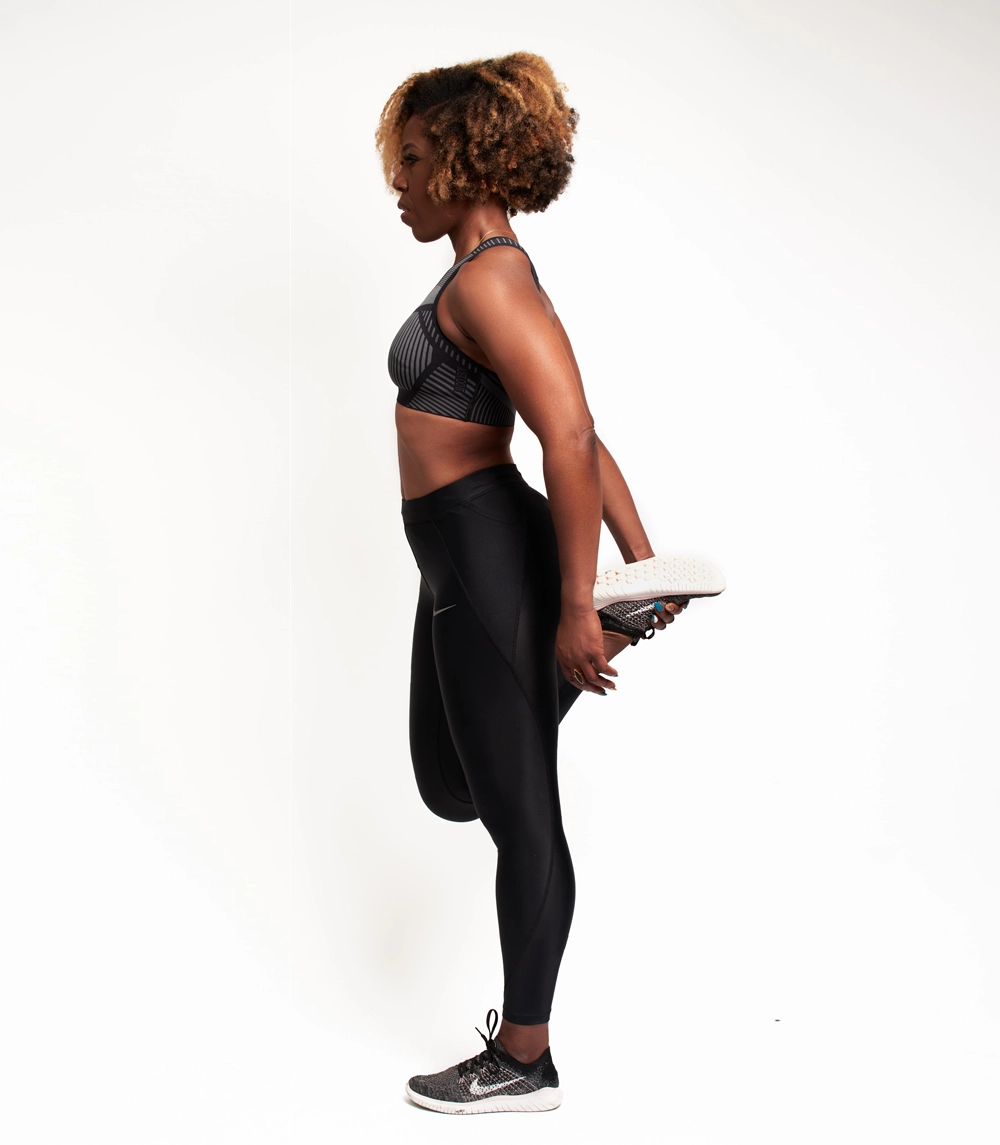
The Black woman athlete, whether she is running 3.1 miles through a crowd of strangers or playing before millions, has always had to negotiate between performing for spaces that tolerate her and belonging to spaces that see her. Those are not the same thing.
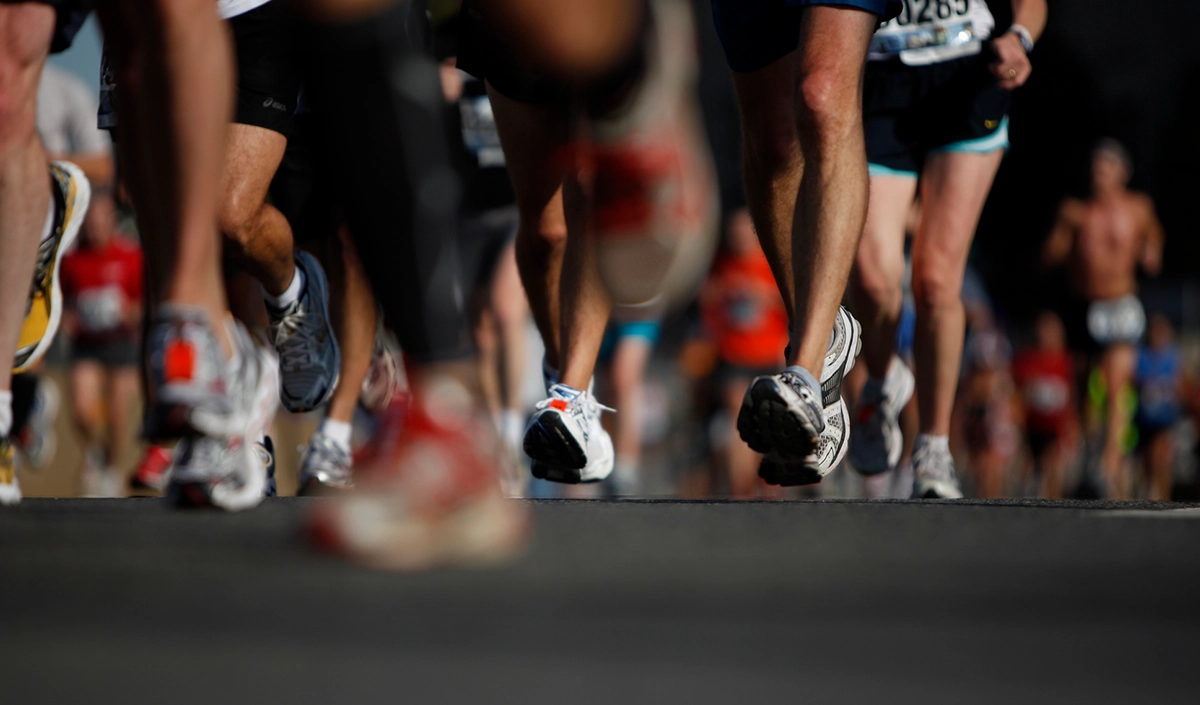
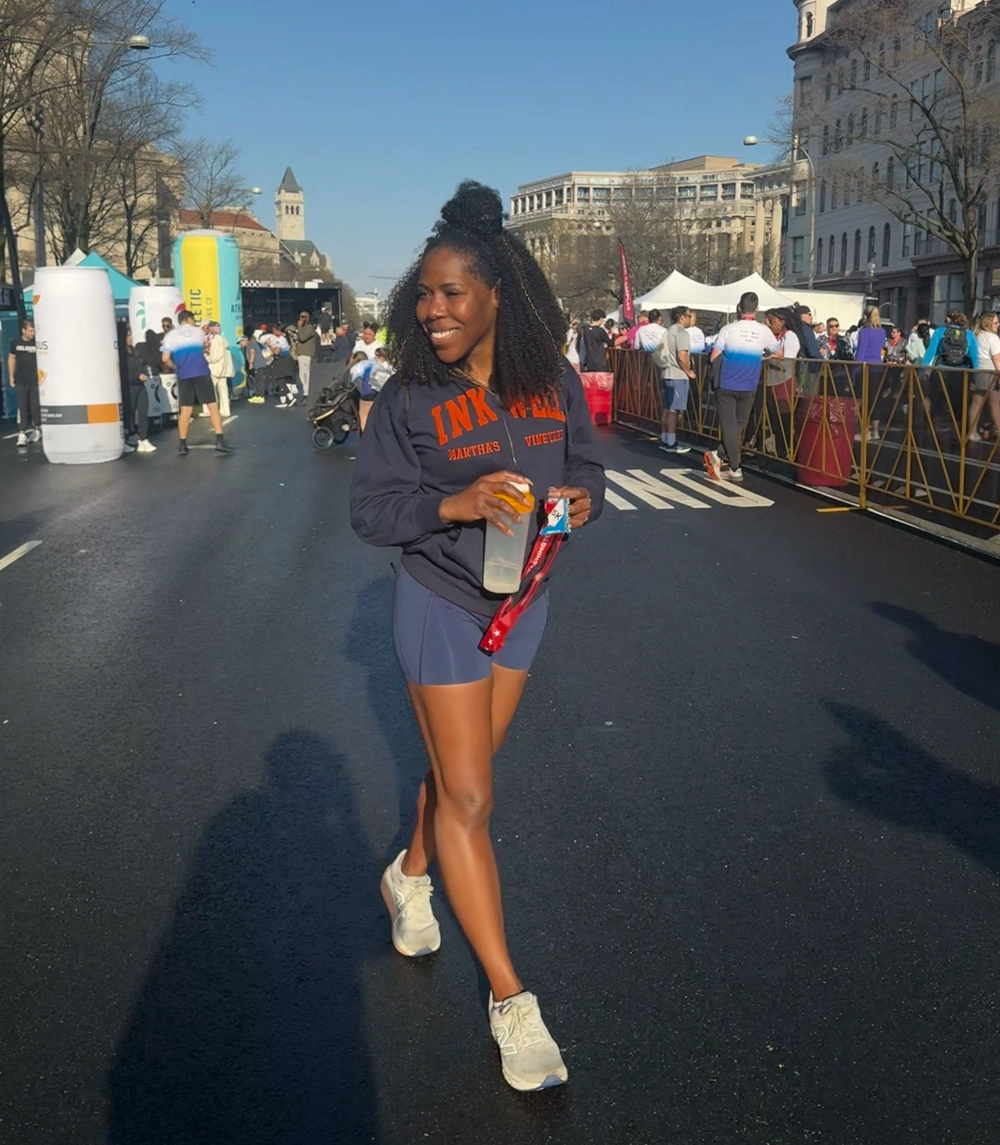
Running the Rock ’n’ Roll 5K, surrounded by music and noise and bodies in motion, I wasn’t performing. I was reclaiming. Reclaiming the simple right to move through the world in my body, on my terms, without having to do the invisible psychological labor of making others comfortable with my presence.
That’s what the WNBA players are doing every time they step on the court after being underpaid, under-broadcast, and underestimated. That’s what women do. We show up anyway. We cross finish lines anyway. We build legacies in leagues and on roads that weren’t made for us, and then we make them ours.