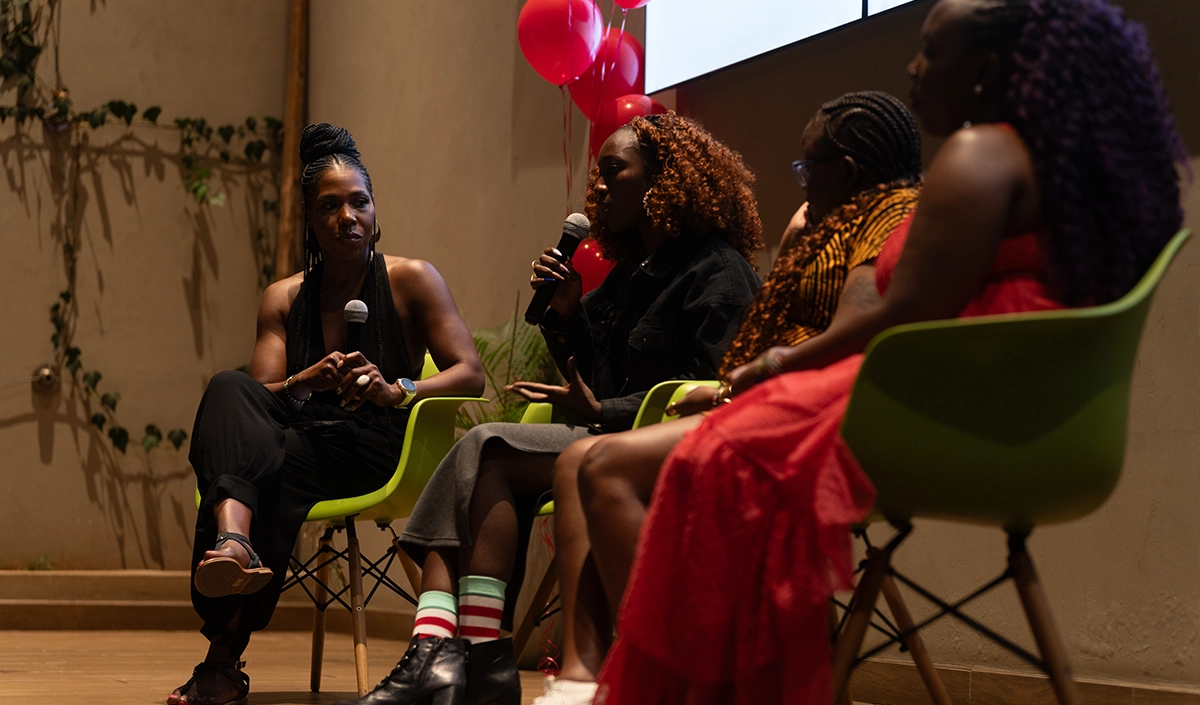
Every Win Unravels a Story and Unravels a Narrative
Every Win Unravels a Story and Unravels a Narrative
It’s Women’s History Month, and it has been marked by real, historic wins.
The kind that asks us to stop, look, and understand what we are actually seeing. Autumn Durald Arkapaw became the first Black woman to win the Academy Award for Best Cinematography for Sinners—the first in the entire history of an award that is no stranger to female cinematographers. Like the women before her, she did not wait for permission. She trusted her vision and took risks that every creative person understands, but that Black women and women of color know in a particular way. For us, the risk is never just professional. It is existential.
To be Black and a woman is to already be in the act of authoring yourself. As Lucille Clifton writes, ‘born in babylon / both nonwhite and woman / what did I see to be except myself? /I made it up.’ Autumn made it up too. She envisioned herself seen not for an audience, not for validation, but because the image of who we are demands complex representation. It demands form. And we, as Black women, cannot help but be seen.
The WNBA secured a new collective bargaining agreement that restructures how the league does business with its players. This agreement expands the table, providing improved earnings, profit sharing, and maternal protections, essentially addressing the totality of what it means to be a woman athlete. The agreement affirms that women’s sports draw viewership, inspiration, and fandom at scale, and that female athletes must be compensated accordingly.
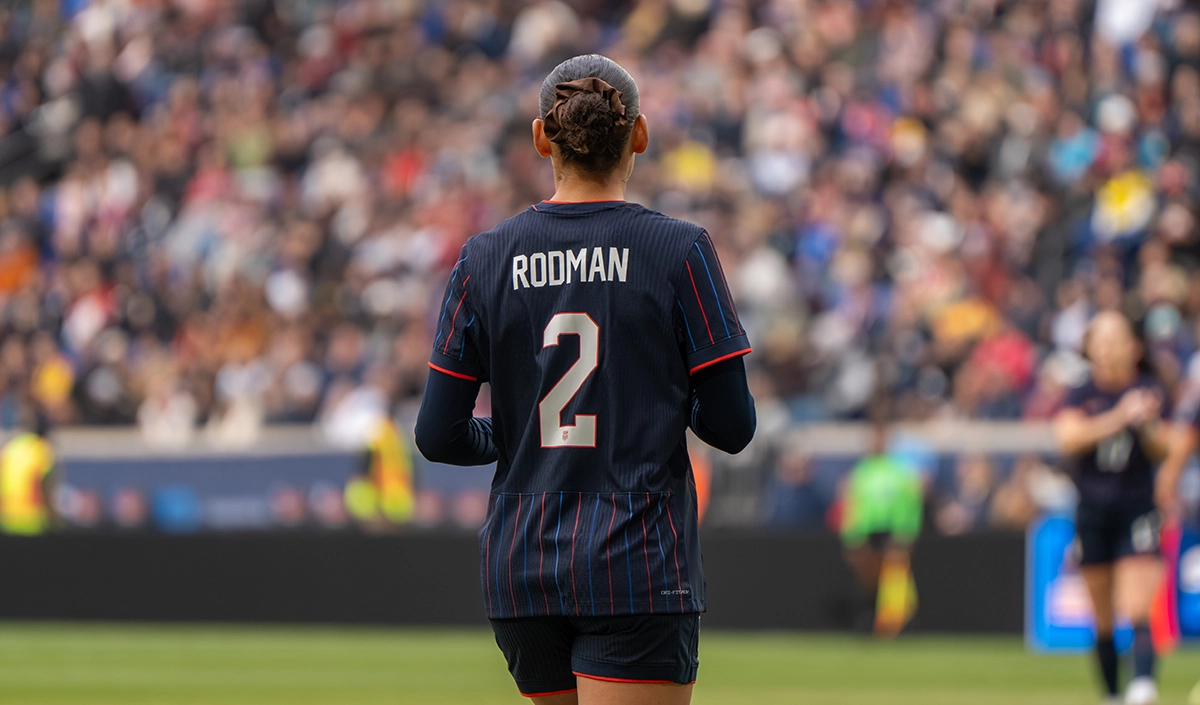
No story illustrates that more than Trinity Rodman’s. The Washington Spirit forward signed a record three-year deal worth over two million dollars annually, making her the highest-paid player in NWSL history and the highest-paid female soccer player in the world. She earned it and commanded it. Rodman won Olympic gold in Paris. She draws people to the stadium. Her career was built on grit, vision, and an unwillingness to be undervalued.
I am a storyteller. What I know about stories is this: a win is not just a win. It is a data point inside a larger narrative. The larger narrative demands that we hold these victories and the contradictions around them at the same time, because we must understand the stories we are told and the structures they reflect.
Here is what else is true. Between February and July of 2025, Black women lost 319,000 jobs in the U.S. labor market. During that same period, white women saw a gain of 142,000 jobs, and white men gained 365,000. Black women’s unemployment rose nearly a full percentage point per month while white women’s remained stable. 57% of companies that cut DEI initiatives reported declines in hiring for historically excluded groups, including a 37% drop in hiring women of color. Black women earn 12 cents less per dollar than white women. Over a 40-year career, the wage gap costs Black women working full-time more than $900,000 in lost earnings. These numbers are not a footnote. They are real lives. They are the structure in which the wins are happening.
Tressie McMillan Cottom would remind us that a season of wins is not a restructured world. That the “firsts” we celebrate are simultaneously a cause for pride and an indictment of how long the door was held shut. That Black women’s cultural power is being recognized and monetized at the same moment their economic ground is being pulled from beneath them. The wins tell us what was possible all along. The losses tell us what is still being withheld.
It has only been 51 years since women could open a bank account, apply for a credit card, or secure a loan without the signature of a husband or a father. Fifty-one years. That is not ancient history. That is our mothers’ memory.
The distance between where we were and where we are is real, and it is hard-won, and we must name it clearly. Because the same fire that changed that law is burning in every woman who picked up a camera, walked onto a court, wrote a book, or started a business and refused to be a footnote in someone else’s story.
How far we have come is a testament. How far we go is the charge.
I tell stories because stories are the most powerful weapon we have to transform lived realities and create what matters most: connection. Every frame Autumn chose. Every contract Trinity signed. These are not just moments. They are the literature of our becoming.
This month, and every month, I am paying attention. I am celebrating. And I am not letting the celebration become a reason to look away.
Happy Women’s History Month to every woman building something, holding a vision, taking a risk, and writing herself into the record.

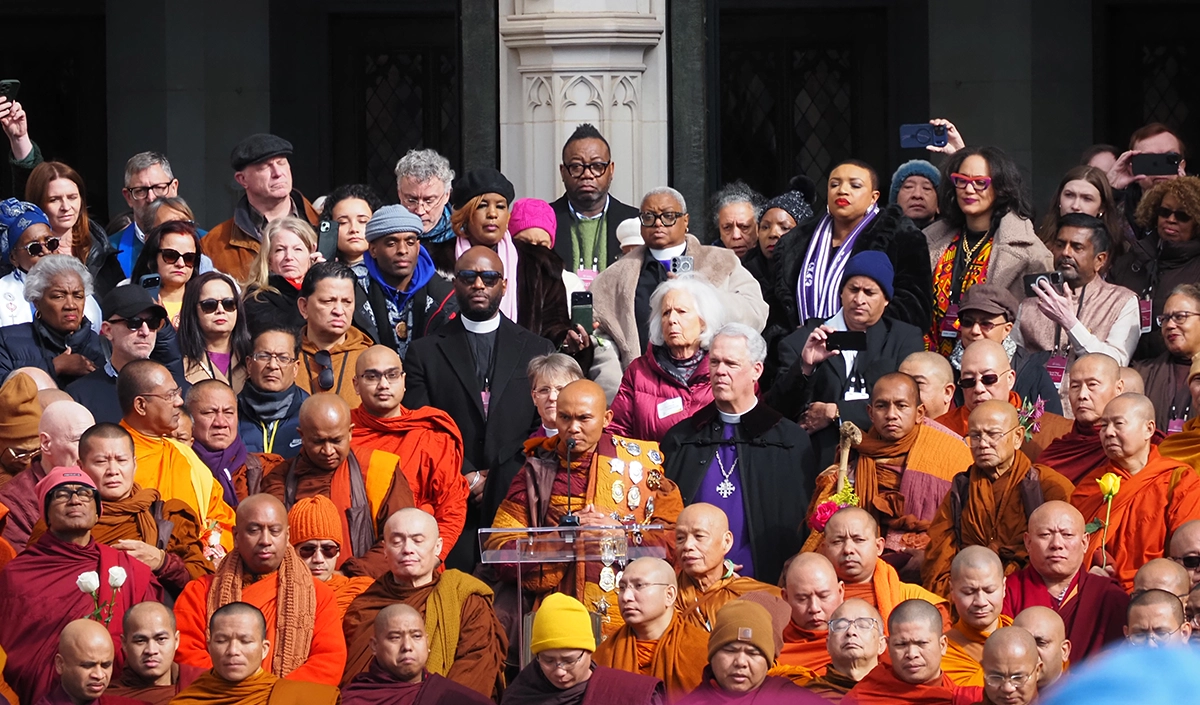
Chant to End All the Wars in You
Chant to End All the Wars in You After a four-month, 2,300-mile journey, 19 monks on a mission to ra